
What to do in your Auckland garden this winter
As Auckland temperatures drop and the winter rain settles in, it’s tempting to wrap-up indoors and leave your garden to it. But as keen Auckland gardeners we know that while growth slows, our winter gardens never stop.
Weeds keep pushing through, soil stays heavy and waterlogged, citrus trees need feeding, and soggy lawns show every dip and hollow.
That’s exactly why winter is the right time to tidy, feed, mulch and reset your garden. A little work strengthens your soil, protects your plants, and a gives the foundation for a healthy burst of growth when spring arrives.
Below are seven essential winter gardening jobs every Auckland gardener should tackle to keep their garden thriving through the cooler months and looking at its best come spring.
1. Feed and rebuild your soil after summer
After a long Auckland summer, your soil is often tired and depleted. Hot dry spells, intense UV and fast plant growth all strip away moisture, nutrients and structure. Feeding your soil in winter is important for rebuilding its health.
Add compost and organic fertilisers
- Dig compost through your garden beds to loosen compact soil, improve structure and boost organic matter.
- Spread compost or garden mix over the top and let the worms and microbes pull the nutrients down into the root zone naturally.
- Add sheep pellets or a gentle fertiliser to add slow-release nitrogen and minerals.



Feeding your soil in winter strengthens the biology beneath the surface, improves structure, and helps volcanic soils hold moisture and nutrients more effectively. Healthy soil now means stronger, faster growth when spring arrives.
For tired beds, adding compost is the best way to restore organic matter and support soil life. If you’re starting a new bed or topping up a low one, a quality garden mix gives you a complete nutrient-rich planting base. GreenCycle’s locally made NutriPower® Compost and NutriPower® Garden Mix are both made locally, using recycled Auckland greenwaste.
Volcanic vs coastal clay soils
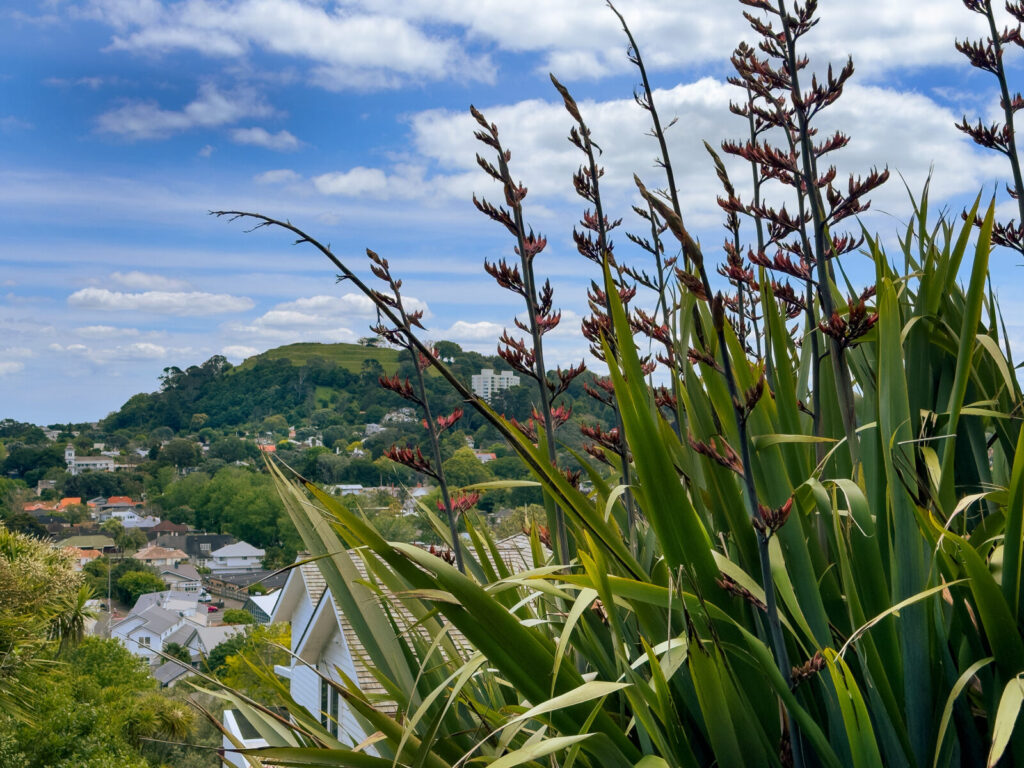
Auckland’s volcanic soils are common in suburbs like Mt Eden, One Tree Hill, Onehunga, Mt Albert, Mt Wellington, Panmure and Mangere. Volcanic soils are naturally mineral rich but benefit from added organic matter to add structure and improve moisture retention. If there’s a maunga nearby, chances are you’re gardening on volcanic soil.
If you’re dealing with Auckland’s heavy clay soils, compost is essential for breaking up dense clay particles, improving drainage and boosting soil biology. Clay soil is common in gardens across Howick, Pakuranga, the Eastern Bays and parts of West Auckland. These soils can also benefit from the addition of gypsum, which helps improve soil structure and allows water to move through clay more freely.
2. Mulch to keep weeds down and soil warm
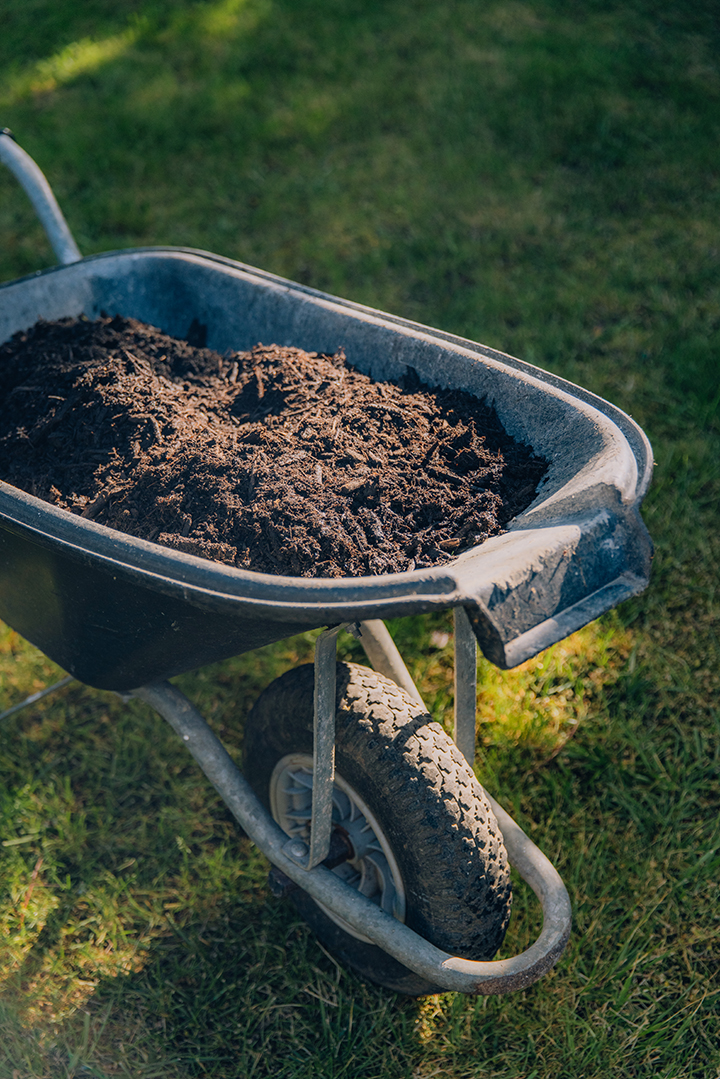
With Auckland winters getting milder, weeds don’t fully stop – they just slow down. A thick layer of mulch is one of the easiest ways to protect your garden through winter and set your garden up for spring.
A good winter mulch will help suppress weeds so you’re not fighting them in early spring, it keeps the soil slightly warmer to protect tender roots from cold snaps and shields soil microbes so they stay active and healthy through the colder months. It also helps reduce erosion from Auckland’s heavy winter rain, keeping your soil structure intact and your garden in better shape for spring.
Mulching is especially important after feeding your soil – it locks in moisture, protects the organic matter you’ve added, and creates a stable environment for worms and microbes to thrive.
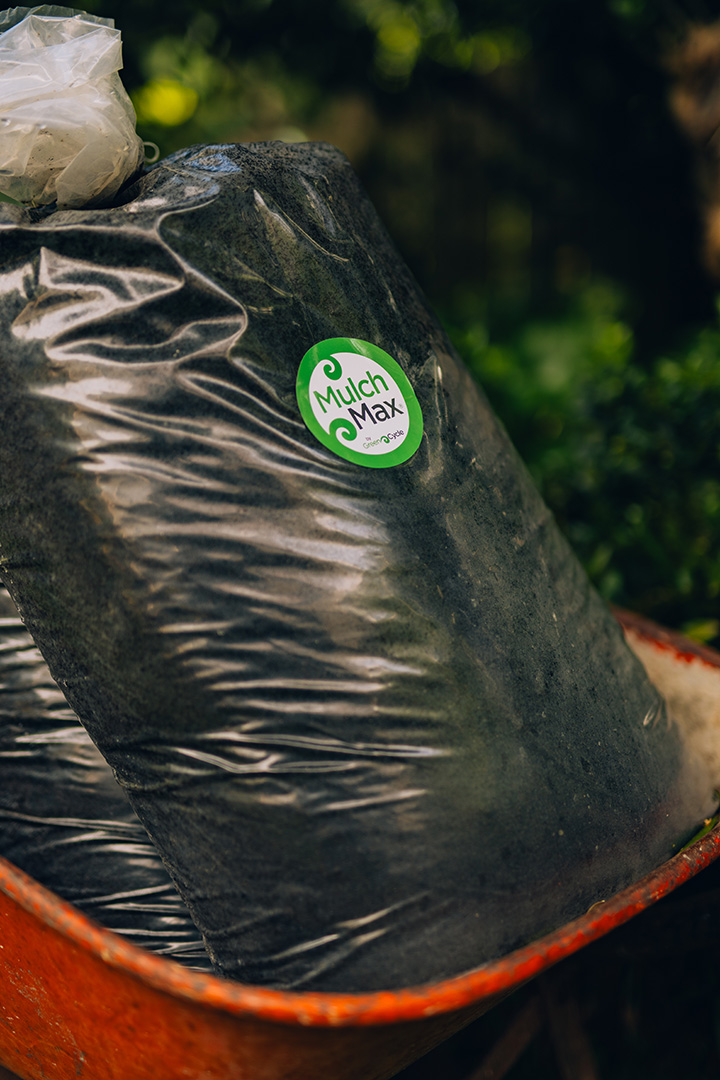
GreenCycle’s MulchMax® Organic is made from clean, recycled Auckland greenwaste, making it an ideal winter mulch. It breaks down slowly, improves soil structure over time, and supports a healthy soil ecosystem.

Volcanic vs coastal clay soils
Mulching benefits both major Auckland soil types.
A thick layer over volcanic soils helps this free-draining, mineral-rich soil retain moisture and organic matter through winter. For coastal clay soils mulch prevents clay from becoming waterlogged in winter and baked hard in summer. It also encourages worms to move up and naturally break apart dense clay layers.
3. Winter cleanup:
Protect your plants from pests and disease
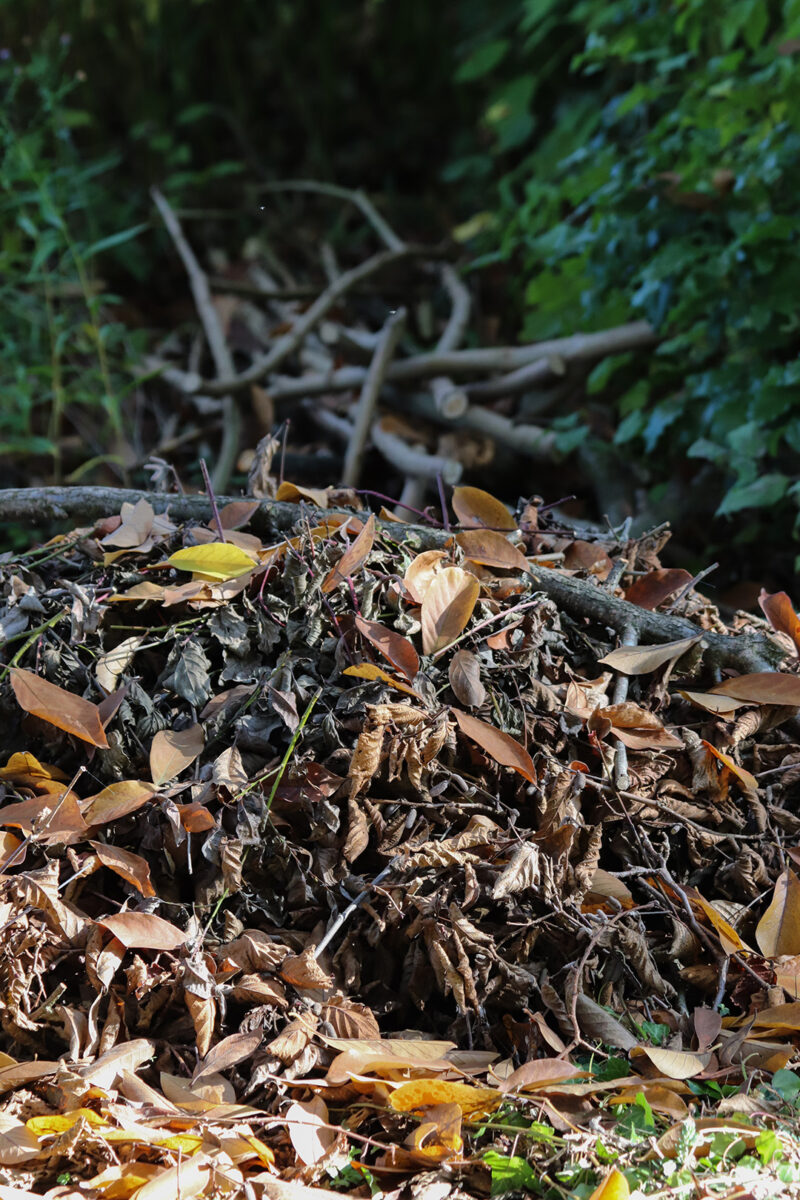
Does your heart sink at the sight of slug-eaten dahlia and delphinium shoots, ravaged hosta leaves, or lettuce seedlings flattened overnight? Slugs and snails, and even rodents, love to hide, nest or lay eggs in damp decaying material.
Winter is your best chance to break pest and disease cycles before spring growth begins. A simple mid-winter tidy up keeps your garden healthier and reduces problems later in the year. These key areas are a great place to start your winter garden clean up:
- Rake up fallen leaves
- Remove rotting fruit and flowers from under trees
- Clear out dead annuals and finished crops
- Pull weeds while the soil is soft and the roots lift easily
Removing debris reduces overwintering fungal spores and discourages pests.
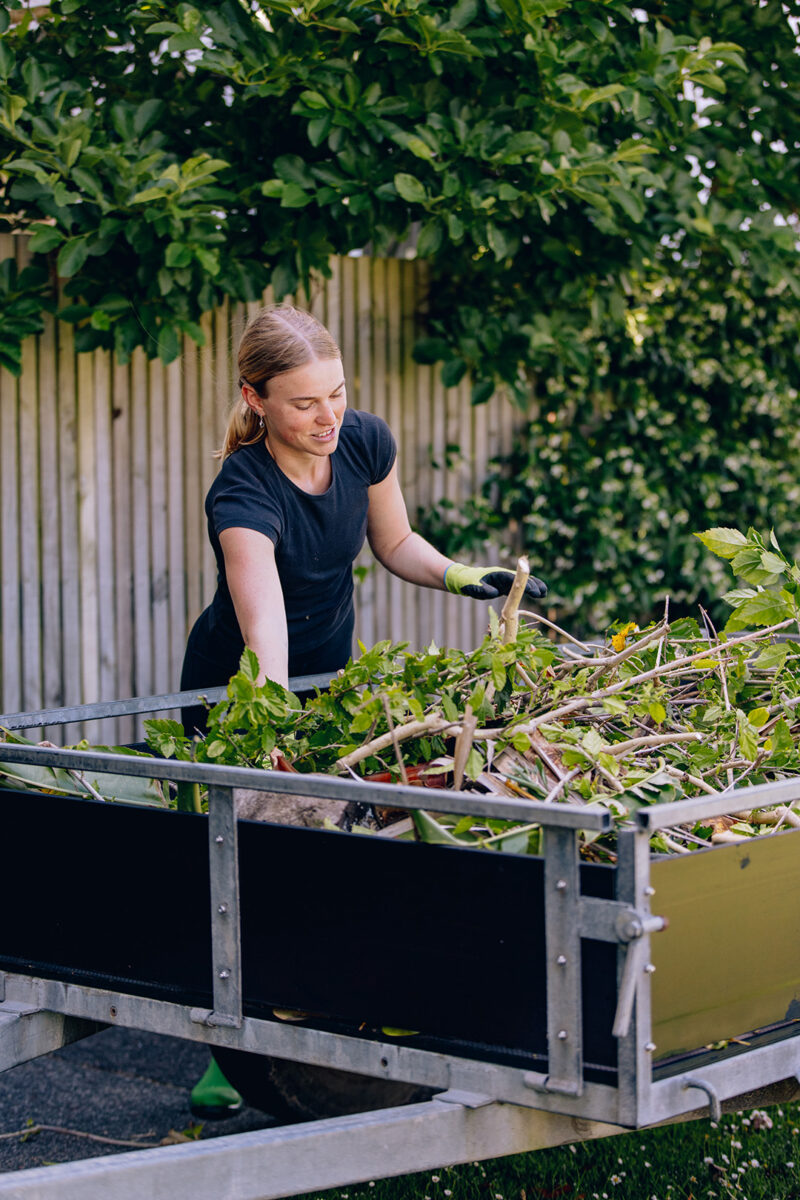
Bring all your garden waste to GreenCycle – including palm, flax, bamboo, and other fibrous material that many places won’t accept. We shred it, compost it, and turn it into nutrient rich products for Auckland gardens.

4. Prune deciduous fruit trees
There’s nothing quite like picking a Christmas plum or crisp Gala apple from your own tree. Regular, careful pruning helps keep fruit trees healthy, manageable and producing good fruit year after year.
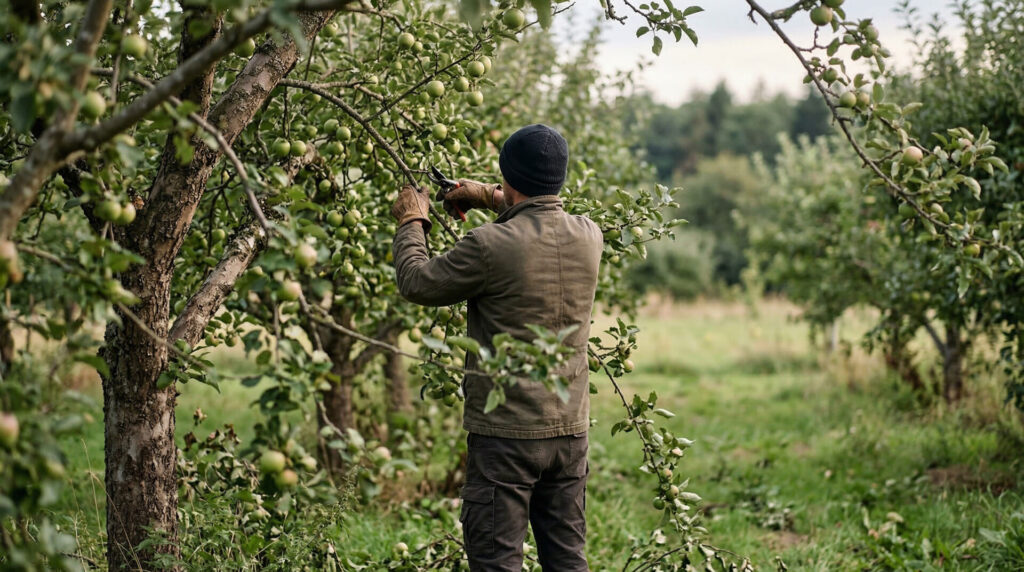
Winter is the best time to prune apples, pears and stonefruit (plums, peaches, nectarines) and July is the ideal month, as the trees are fully dormant.
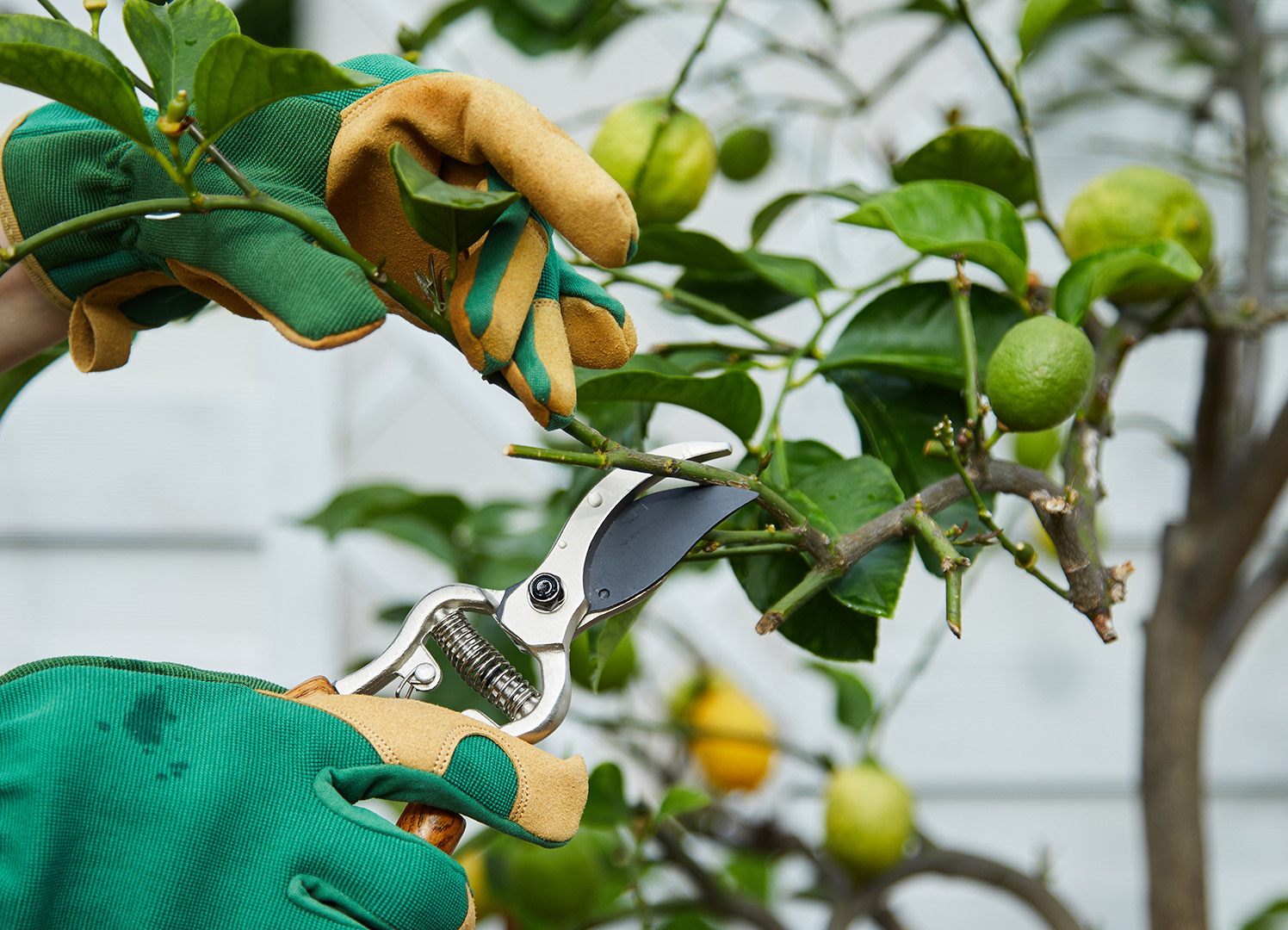
What do you need to know? Focus on removing dead or diseased branches, crossing or rubbing limbs, excess height and dense internal growth. This improves airflow, reduces disease pressure, and shapes the tree for better fruiting.
TOP TIP:
‘Always prune on a dry day. It helps the plant heal cleanly and reduces the risk of disease’, says Dani from Auckland landscaping and property maintenance business Huia Operations.
If you’re hesitant to make the first cut, these online tutorials are a great place to start.
5. Plant evergreen fruit trees
Winter’s cool soil and regular rain help new trees establish strong, deep root systems, making it one of the best times to plant evergreen fruit trees in Auckland. Great options include citrus, feijoa, guava and avocado (in sheltered spots).
Here are some key tips for planting your new tree:
- Condition the planting hole with compost or garden mix
- Stake young trees to protect them from winter winds
- Mulch well to keep roots warm and moist but remember to keep mulch away from the tree trunk to avoid rot and fungus
GreenCycle’s NutriPower® Compost and Garden Mix are ideal for new beds and planting holes – rich, balanced, and ready to grow.

6. Plan and build new garden beds
Are you rethinking your outdoor spaces?
With growth slowing down, winter is the perfect opportunity to plan and build the garden you want for summer; whether it’s a new veggie patch to grow tomatoes as good as grandad’s, a refreshed border that actually looks intentional, a raised planter overflowing with cut flowers, or reshaped lawn edges for the cleaner, more natural look. Using the quieter winter months to design and build means your garden is ready to burst into life when spring arrives.
Fill new beds with our premium NutriPower® Garden Mix for a fertile, ready to plant base when spring arrives.
7. Recycle your green waste the right way
Everything you clear this winter – from fallen leaves to tree branches can be dropped at GreenCycle’s yard, conveniently located at 141 Hugo Johnston Drive in Penrose.
We turn it into mulch, compost, and garden mix, closing the loop and giving your garden back the nutrients it needs.


Winter sets up your spring
Auckland’s winter isn’t a downtime – it’s a reset. Feed your soil, tidy up, prune smartly, plant wisely, and plan ahead. Your garden will reward you with healthier growth, fewer pests, and a stronger start to spring.
Bring in the winter clear-out, then head home with compost, mulch or garden mix made from Auckland’s own recycled greenwaste. It’s a simple way to tidy the garden now and feed what grows next.
Find us at 141 Hugo Johnston Drive in Penrose.
Open Mon – Fri 8am to 5pm, and Sat 9am to 4pm.