
Come summer, we like to spend a bit more time relaxing in the garden and a bit less time working in it. Most years in Auckland, you can get away with that. But this year, I wouldn’t count on it.

It’s official, summer 2026/27 will bring a Super El Niño, with conditions potentially making it one of the strongest El Niño events on record. For Auckland, that could mean stronger drying winds and longer spells of hot, dry weather – conditions that can quickly take their toll on your garden.
But there’s no need to panic. A little preparation now can make a huge difference to your garden later. It’s not just about watering more – it’s about helping your soil hold onto the moisture it’s got.
What El Niño means for your Auckland garden
If you’ve gardened through an El Niño summer before you’re probably experienced this – you water the garden, everything looks great, then a couple of warm, windy days later your pots are dry, the lawn is struggling and your tomatoes are suddenly unhappy.
That’s because El Niño typically brings stronger, more frequent westerly winds to New Zealand. These winds pull moisture from the soil and plant leaves quickly, even when temperatures aren’t particularly high.
Your garden will usually tell you when it’s struggling. So look out for:
- Plants wilting despite regular watering
- Soil that won’t absorb water
- Pots drying out surprisingly quickly
- Leaves that are scorched or crispy
- Fruit dropping early
One of the sneakiest problems in a summer garden is hydrophobic soil. When soil becomes extremely dry, it can start repelling water rather than absorbing it. You turn on the hose, but instead of soaking down to the roots, the water pools on the surface or disappears down cracks in the soil.
During an El Niño summer, it can feel you’re doing everything right, but your plants are still thirsty.
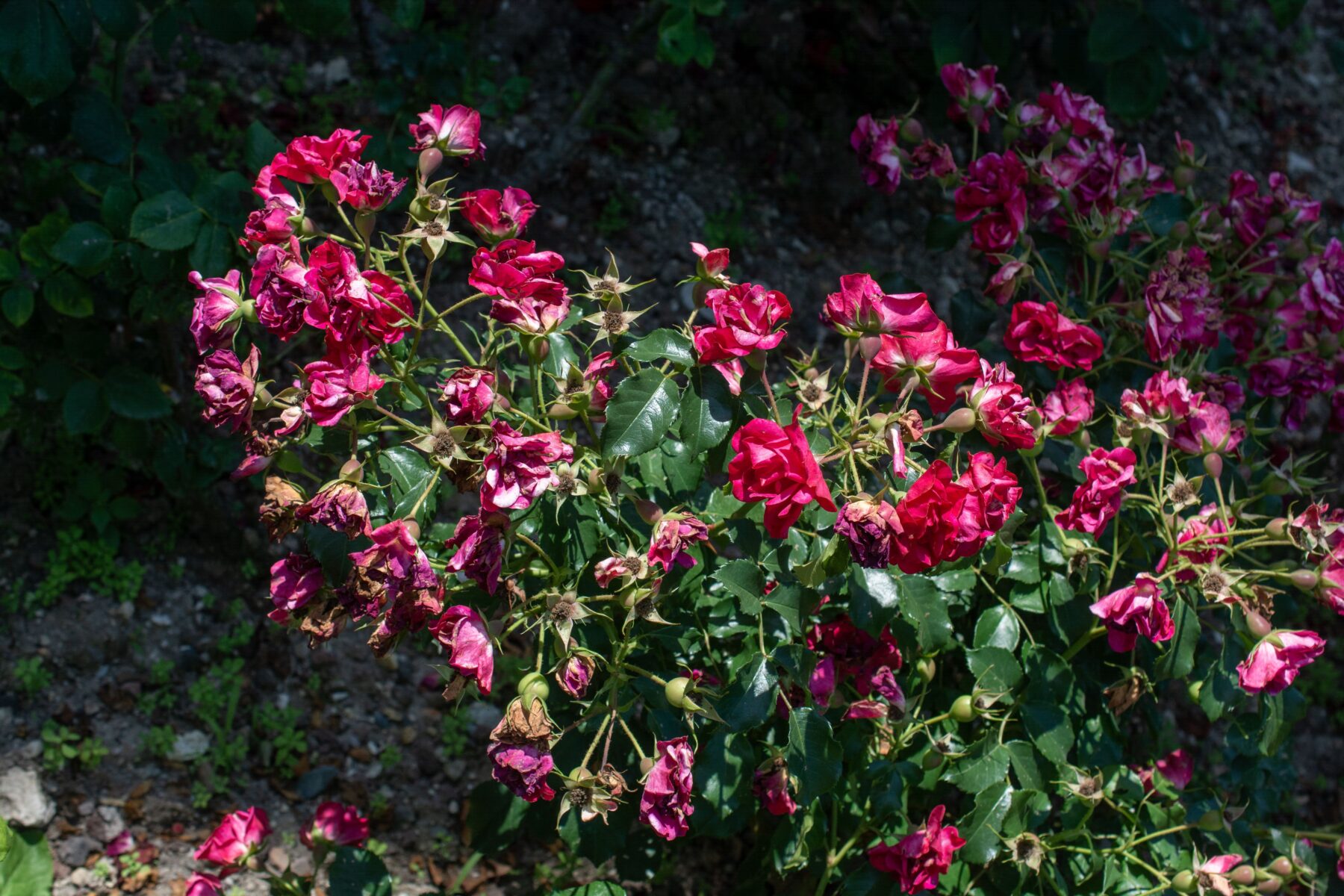

That’s why the best time to prepare your garden isn’t during the first heatwave. It’s now before the dry summer weather really kicks in.
Four ways to help your garden survive and thrive in an El Niño summer
1. Give your soil a protective blanket
If you only do one thing before summer, make it mulching.
Adding a layer of mulch acts like a protective blanket for your soil. It helps keep moisture where your plants need it, protects roots from extreme temperatures and reduces the amount of watering required when conditions get tough.
It also helps suppress weeds, which means less competition for precious moisture.
If you’ve been meaning to top up your mulch, don’t wait until the weather gets hot. Laying mulch down before the summer arrives is one of the simplest and most effective things you can do to help your garden cope with hot, dry conditions.
GreenCycle’s MulchMax® is made from 100% recycled Auckland greenwaste and is designed to help your soil hold onto moisture throughout summer as well as keeping your garden beds looking great.
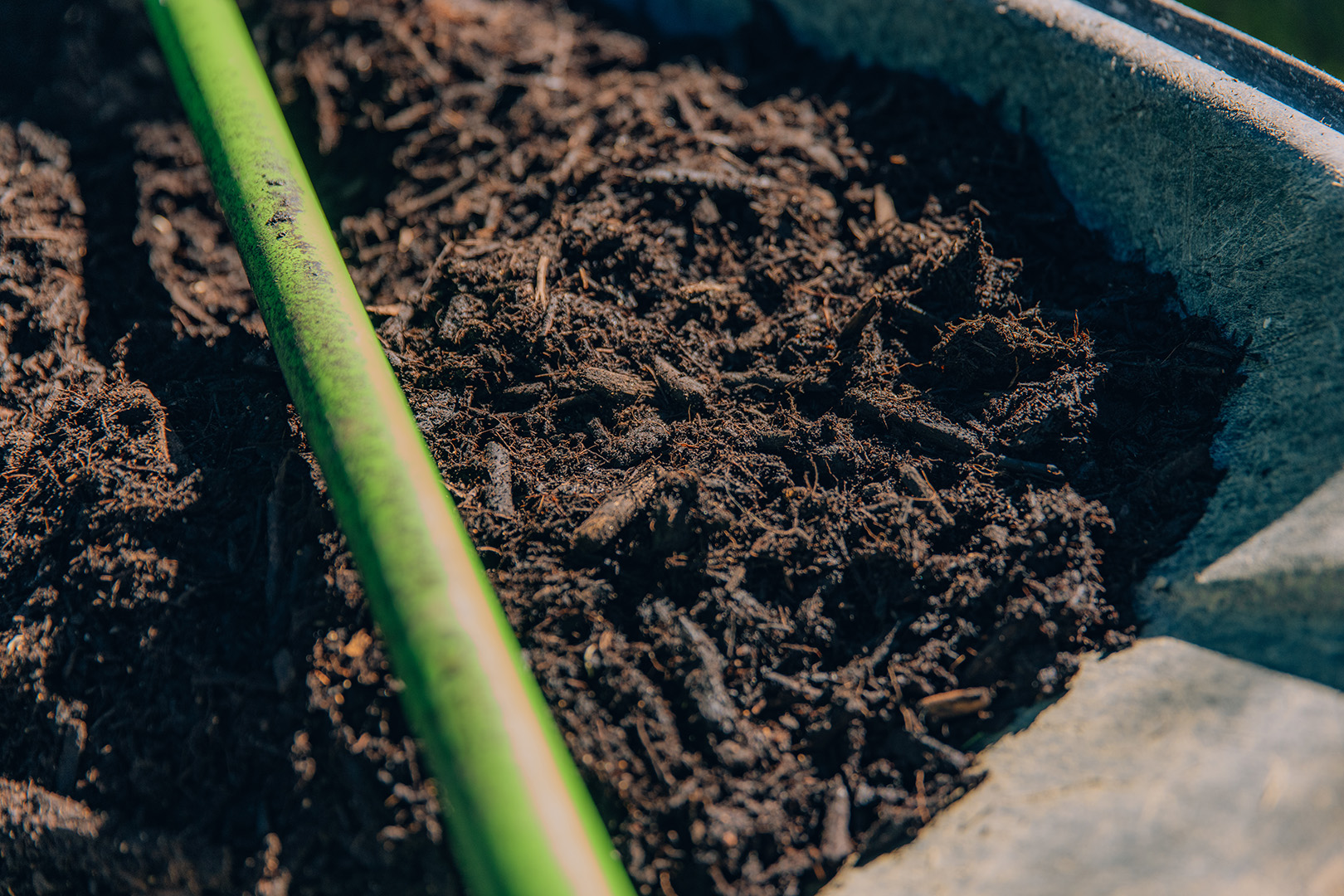

2. Compost is your secret weapon
Healthy soil holds moisture better, and that’s where compost comes in.
Compost helps soil act like a sponge, holding onto moisture for longer and making it available to plant roots when conditions get tough. Adding organic matter improves soil structure, encourages beneficial microbes and helps grow healthier, more resilient plants.
You don’t need to overhaul the whole garden, either. Adding a layer of GreenCycle’s NutriPower® Compost around shrubs, citrus, veggie beds and flower borders is a simple way to give your soil a boost before summer.
And if you’re picking up bulk mulch or compost, GreenCycle’s free loan trailers make getting it home simple and hassle free.
3. Water smarter, not harder
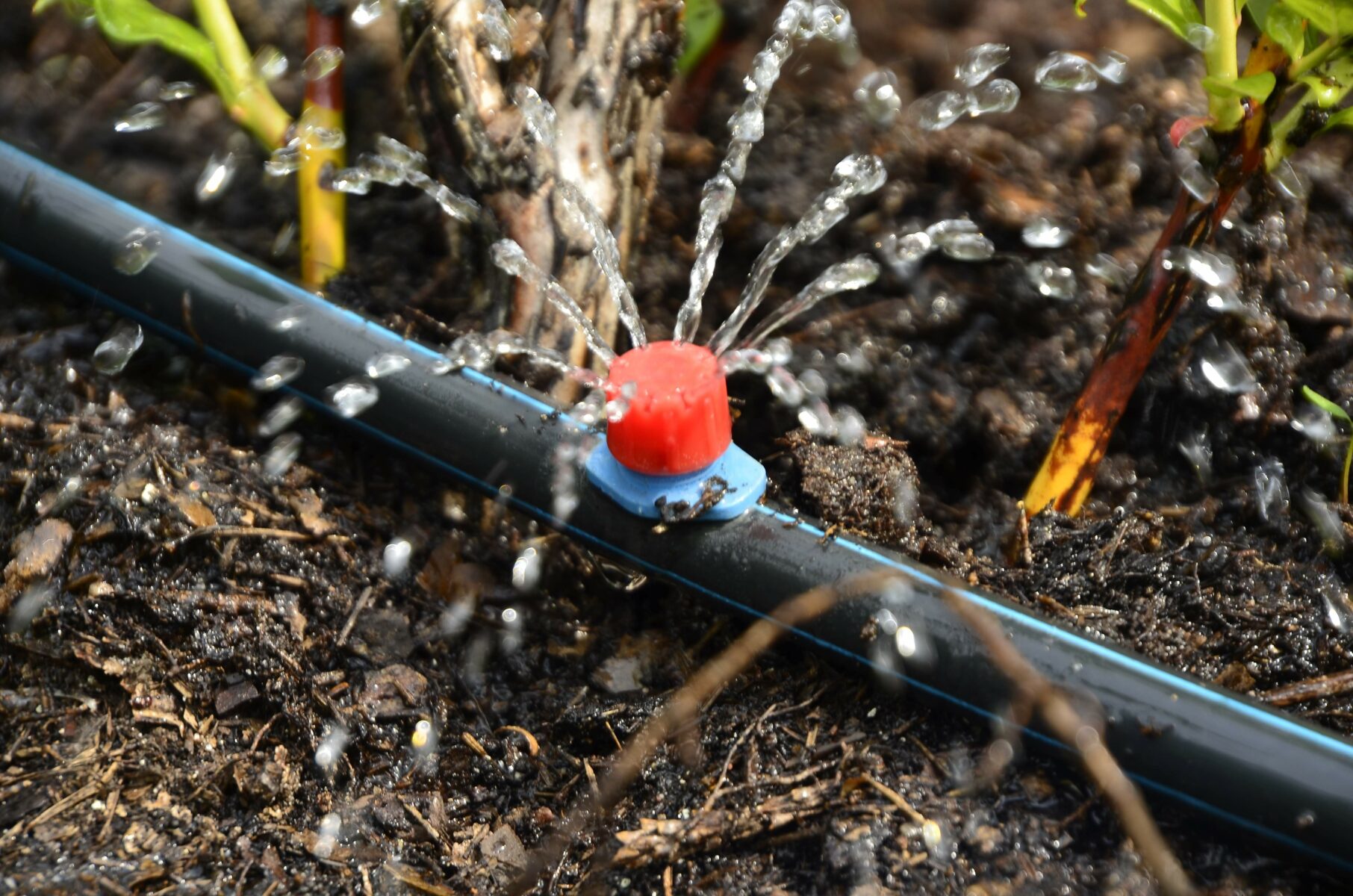

When the weather turns hot and windy, it’s tempting to reach for the hose every day. The problem is that frequent, light watering encourages shallow roots and can leave deeper roots dry. Add to that the increased likelihood of water restrictions to help conserve water supplies.
Make it count by watering slowly and deeply. Early morning is usually best, as this gives the soil time to absorb moisture before the heat of the day arrives.
A soaker hose or drip irrigation system is really useful because they allow water to soak gradually into the root zone where it is most needed.
Before watering, check the soil and adjust to what your plants actually need. They will be happier with less frequent, deep watering rather than daily sprinkles.
And remember, mulch and compost will help that moisture stick around.
HELP! My soil is hydrophobic. What do I do?
If water is pooling on the surface or running straight off, your soil may have become water-repellent.
Try these simple steps:
- Gently loosen the top few centimetres of soil with a fork or hand tool.
- Apply a thin layer of compost to improve the soil’s microbes.
- Water slowly, allowing time for moisture to soak in. Repeat as needed to rehydrate the soil.
- Once the soil is moist, cover it with mulch to lock in the moisture and protect the soil from the next hot spell.
It’s a simple fix that can make a big difference during dry weather.
4. Choose plants that can take the heat
If you’re planning new garden beds or replacing struggling plants, think about varieties that are naturally suited to Auckland dry summer conditions.
| Good options include: | |
|---|---|
| Kōwhai | Native, hardy and great for birds |
| Olive | Edible and easy to shape |
| Feijoa | Tough, productive and loves sun |
| Flax and grasses | Low maintenance structure plants |
| Rosemary | Heat loving and useful in the kitchen |
| Lavender | Thrives in heat, smells amazing |
| Succulents and Cacti | Perfect for pots and hot corners |

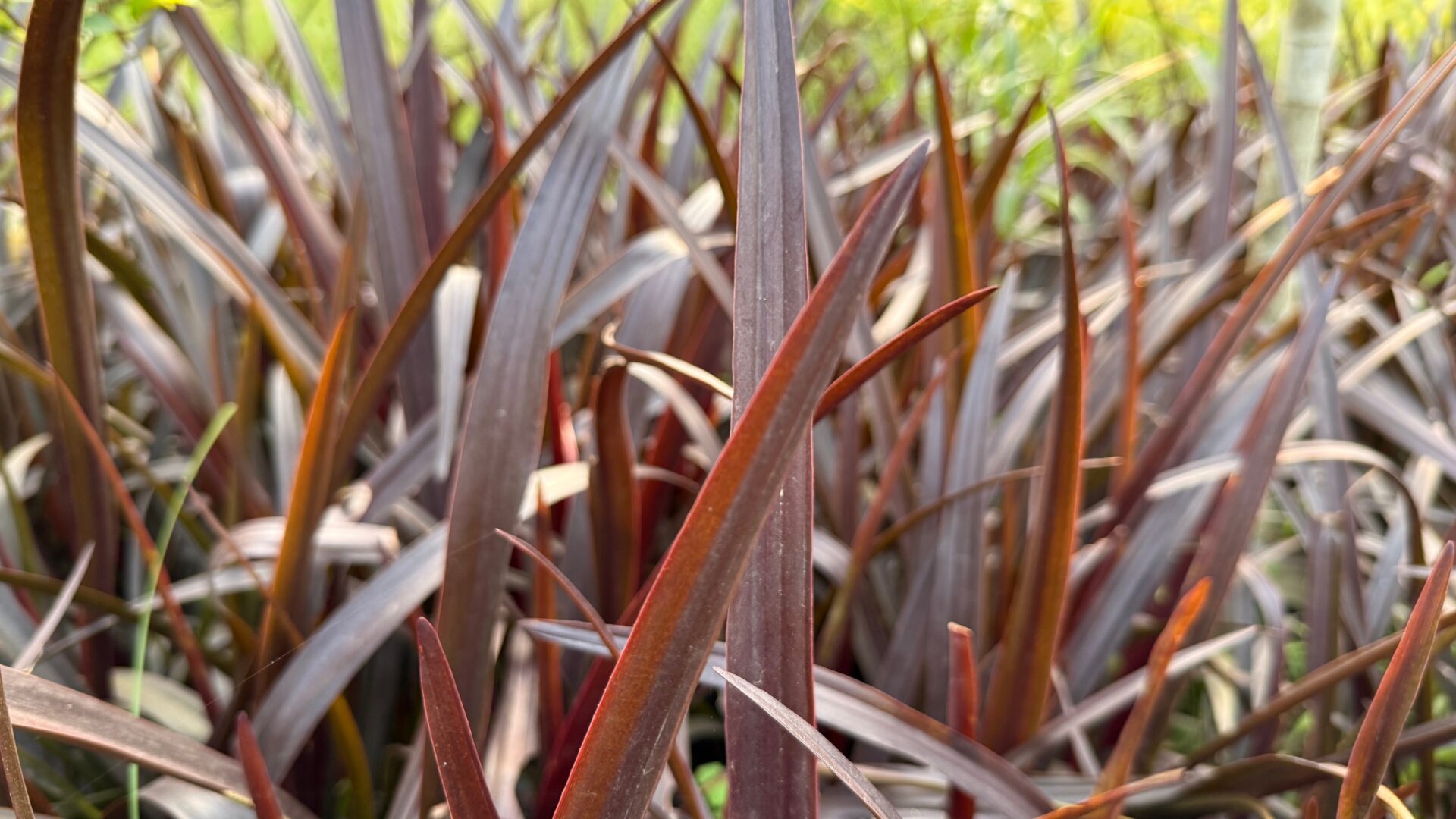
Just remember, even drought-tolerant plants need regular watering during their first one to two summers while their roots become established.
If you’re planting anything thirstier – like hydrangeas, citrus, or summer annuals – mulch them heavily and water deeply, not often.
Don’t forget about your pots
If you always seem to lose a few potted plants over summer, you’re not alone.
Pots heat up quickly, dry out faster than garden beds, and have far less soil available to store moisture. Add in El Niño‘s hot days and drying westerly wind and they can go from healthy to stressed in days.
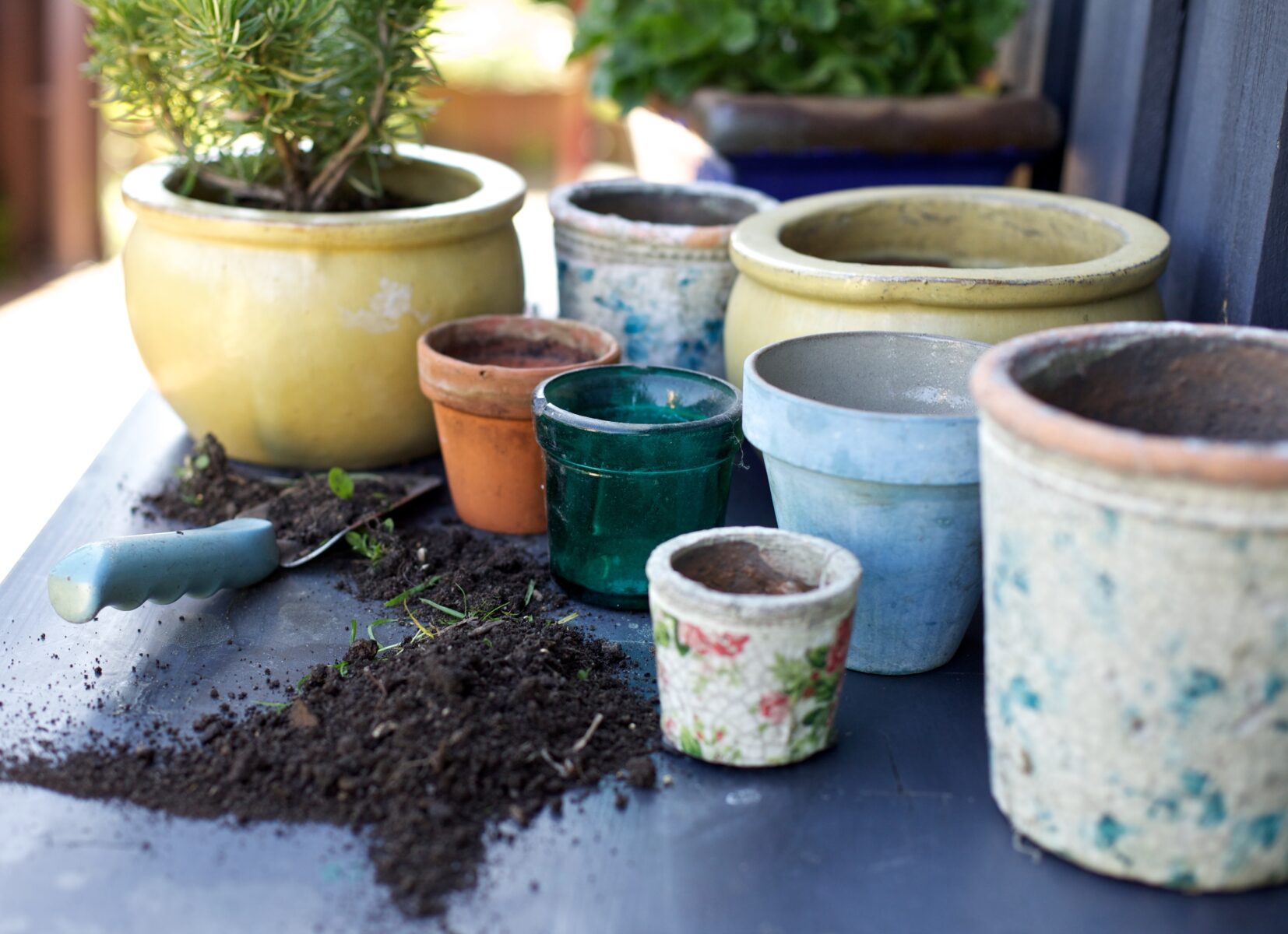
A few small changes can help. Move vulnerable pots out of harsh afternoon sun, mulch the surface, check moisture levels regularly and water deeply and slowly. If a plant is root-bound, consider moving it into a larger pot with fresh potting mix to provide more soil to hold moisture. And if the potting mix has dried out so badly that water runs straight through, slowly rehydrating it can help restore its ability to absorb moisture.
A little extra attention to pots can make a big difference when summer conditions become challenging.

A little preparation goes a long way
You can’t control Auckland’s Super El Niño weather, but you can give your garden a much better chance of handling it.
Get your soil into good shape with compost, add a layer of mulch, water wisely and give vulnerable plants a little extra attention.
If you’re planning a summer garden refresh, GreenCycle can help with the practical side too. Drop off your greenwaste, stock up on compost and mulch, and make use of a free loan trailer to get bulk products home. For bigger clean-ups, there’s also the option of a greenwaste skip.
The gardens that come through summer best aren’t usually the ones getting the most water. They’re the ones that were ready for it.
Your El Niño garden checklist
- Top up mulch before summer arrives
- Work compost into garden beds
- Check pots daily during hot spells
- Water deeply, not lightly
- Choose drought-tolerant plants for new areas
- Shelter vulnerable plants from drying winds
- Fix hydrophobic soil before summer arrives