
If you’ve ever walked past someone’s garden and thought, “I wish I could grow tomatoes like that,” the good news is – you absolutely can.
Auckland is one of the easiest places in the country to grow summer veggies, and spring is the perfect time to get started. You don’t need a big garden, fancy gear, or a degree in horticulture. You just need a sunny spot, a few good plants, and the willingness to get your hands a little dirty.
Read on for your complete guide to building your first Auckland veggie patch – balcony, backyard, or somewhere in between.
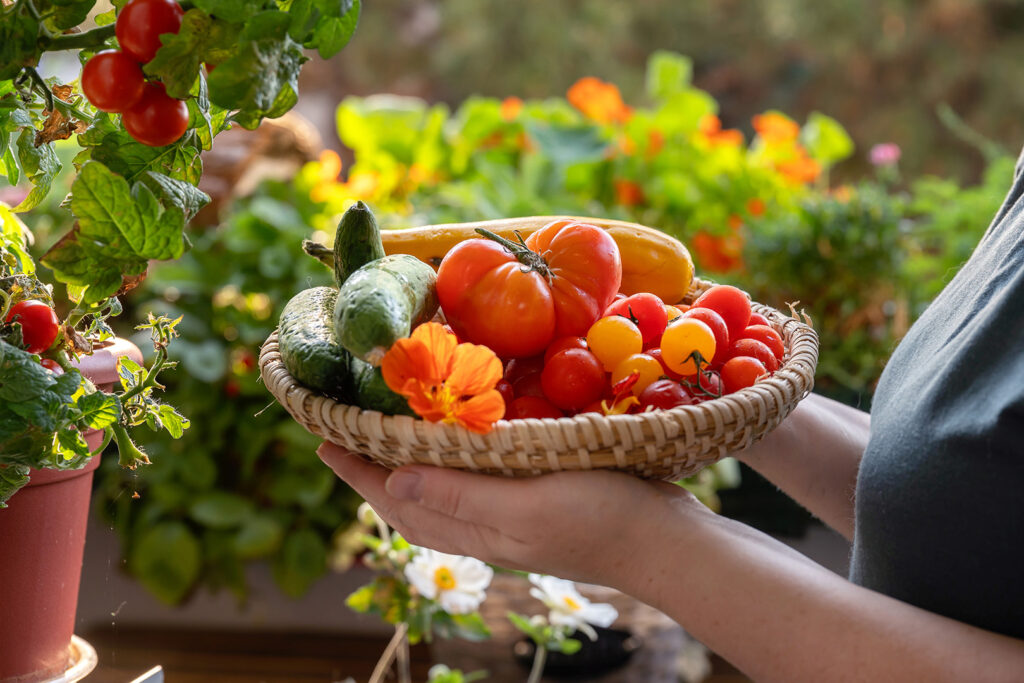
Start with the easy winners – great vegetable plants for Auckland beginners
Some plants are just friendly. They don’t sulk, they don’t demand perfection, and they reward you fast.
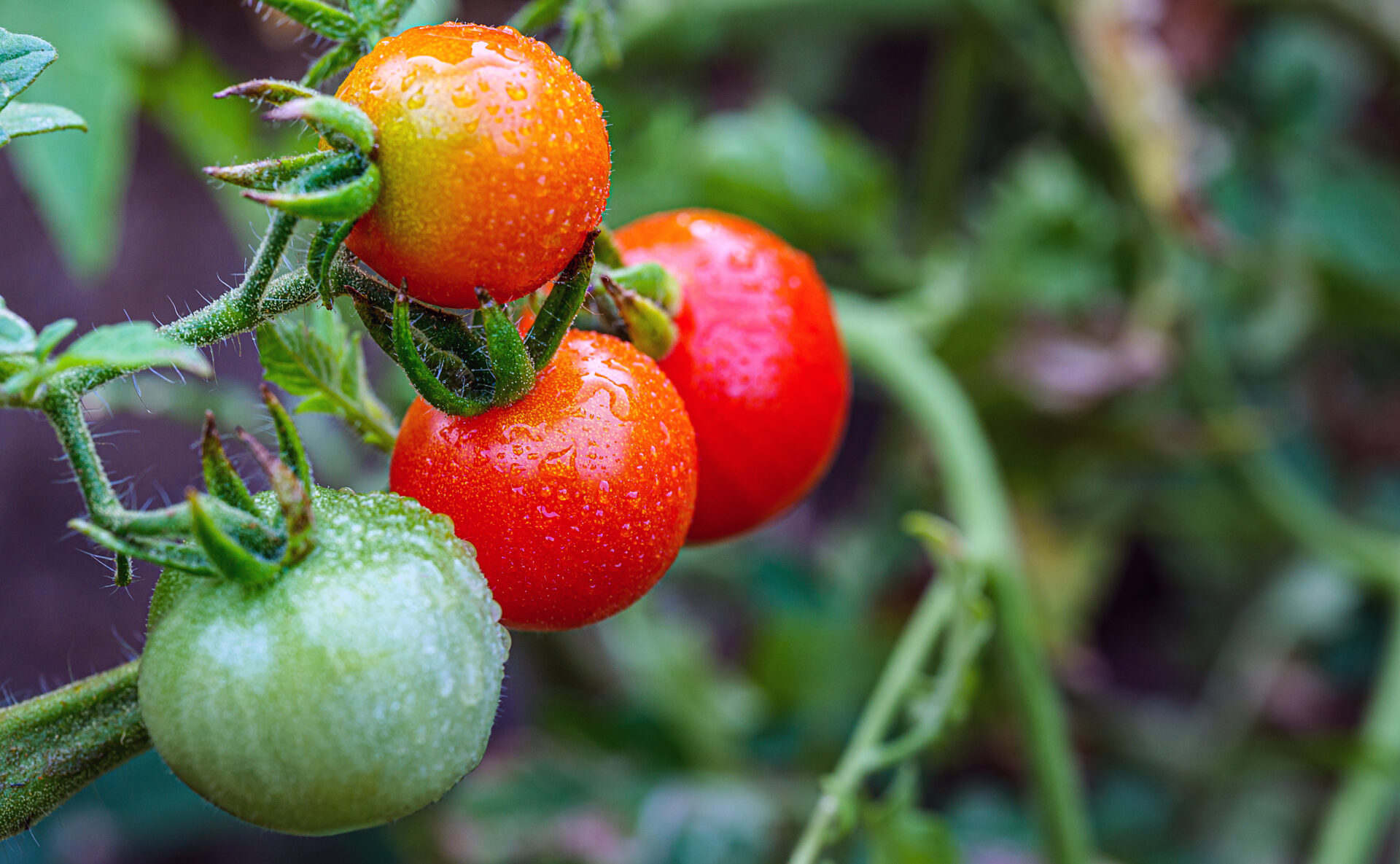
Tomatoes: Auckland weather loves tomatoes. Money Maker is a classic, high‑yield tomato that grows like it’s showing off. Or go for cherry tomatoes like Sweet 100 – small, sweet, happy in a pot and perfect for snacking straight off the vine. Kids will steal them before you do.
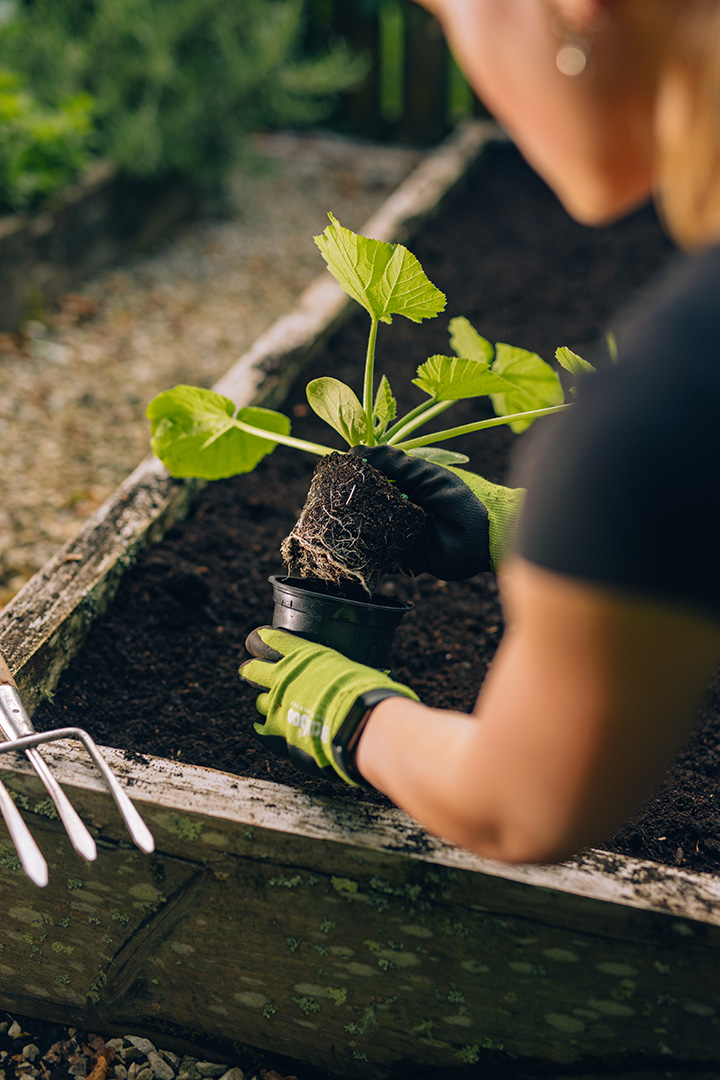
Zucchini/Courgette: These are bountiful croppers, so plant one. Just one! It will feed you, your neighbours, and possibly half your street. Grow it vertically on a strong stake (bush types) or trellis (vining types) to save space and allow airflow – this helps prevent fungal disease like powdery mildew.
Beans: Climbing or dwarf – both are ridiculously easy. They grow fast, taste better than anything from the supermarket, and because they grow upwards, they don’t need much space.
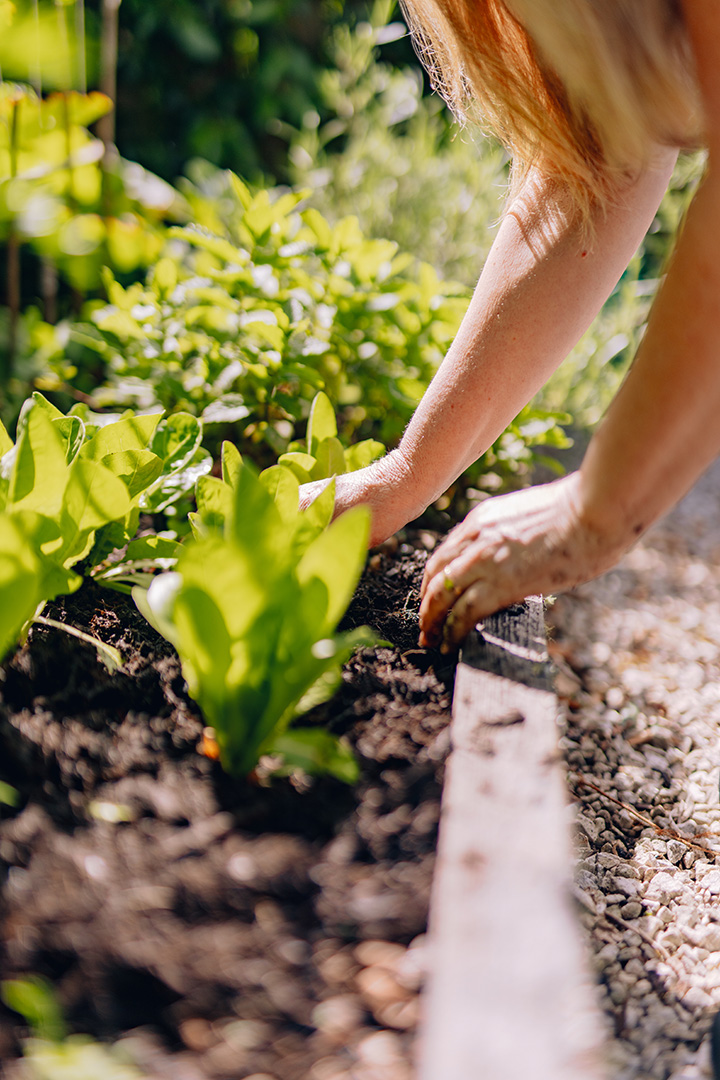
Lettuce & spinach: These are your instant gratification plants. Pick a few leaves and they grow back. Most garden centres sell mixed punnets so you can try a few varieties and decide what’s best for you.
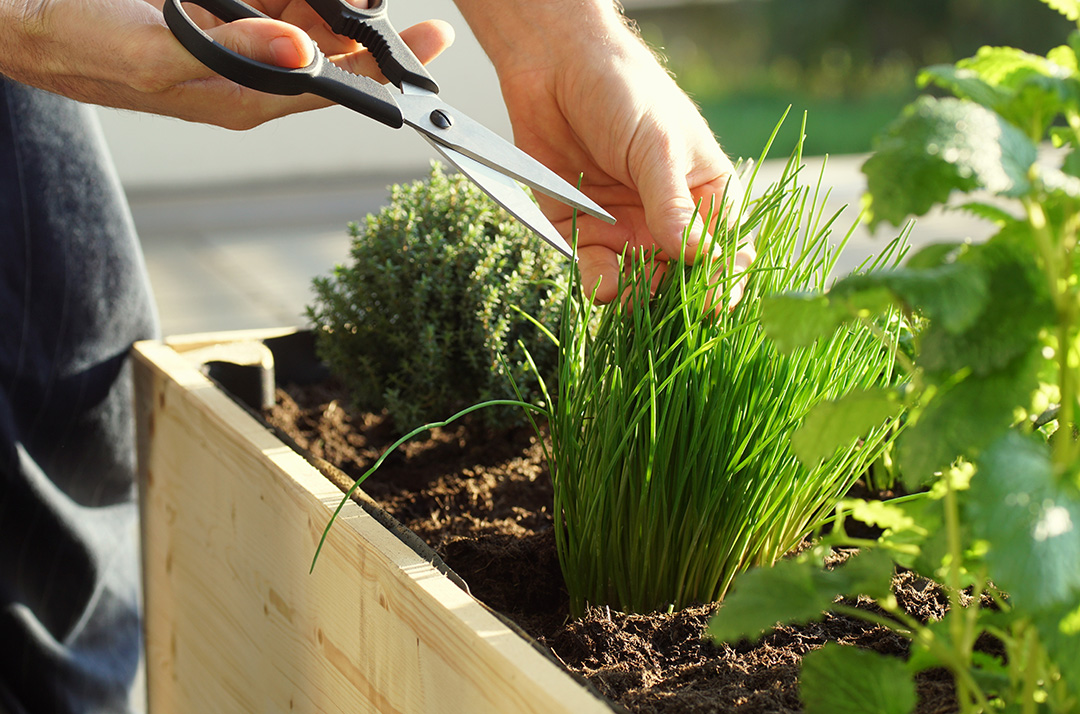
Herbs: Basil, parsley, mint (in a pot otherwise it will take over), coriander, oregano, chives – they make everything taste better. Plant some together in one pot and keep it near the kitchen for quick dinnertime harvesting.
How much space do you actually need?
Not much. Honestly.
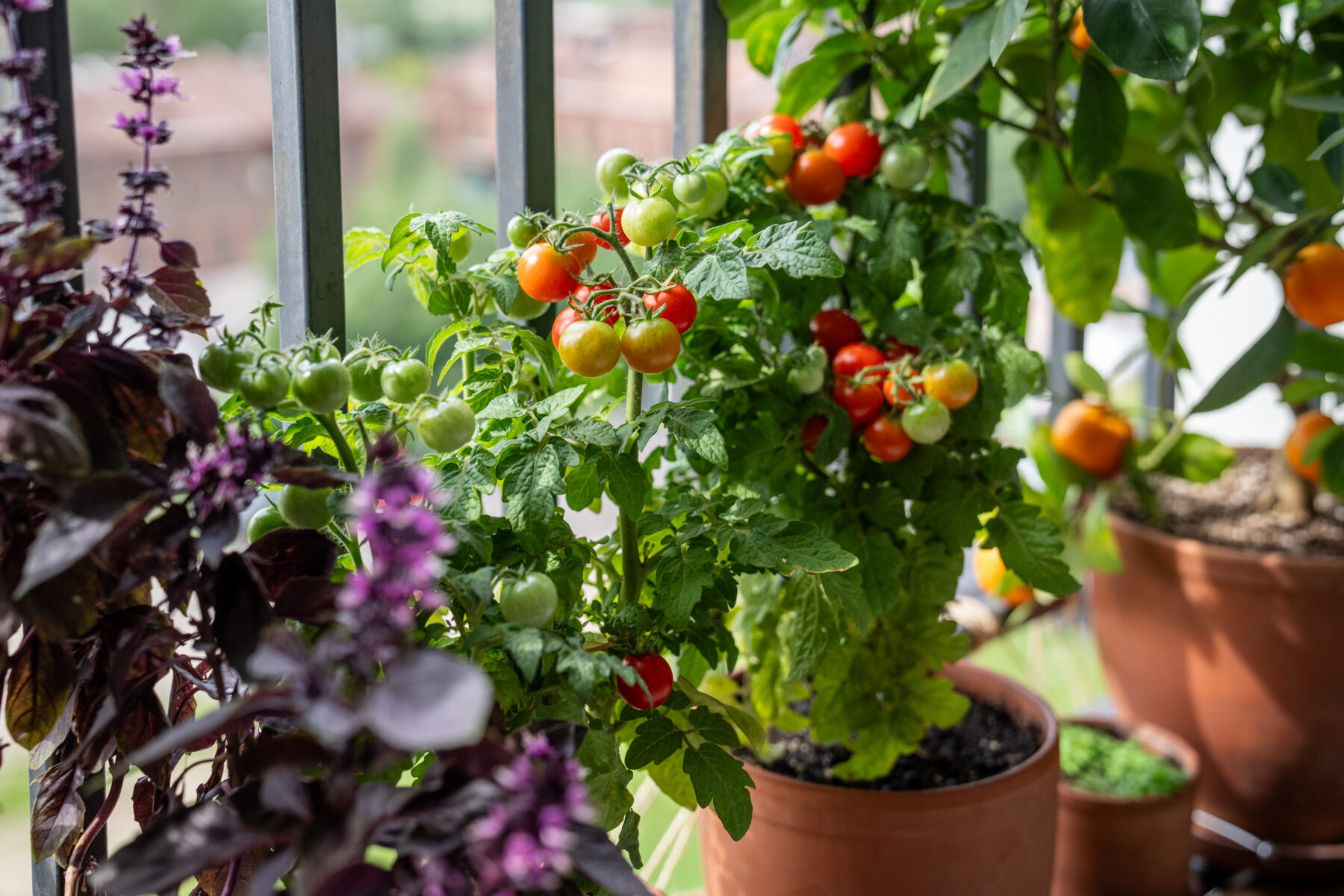
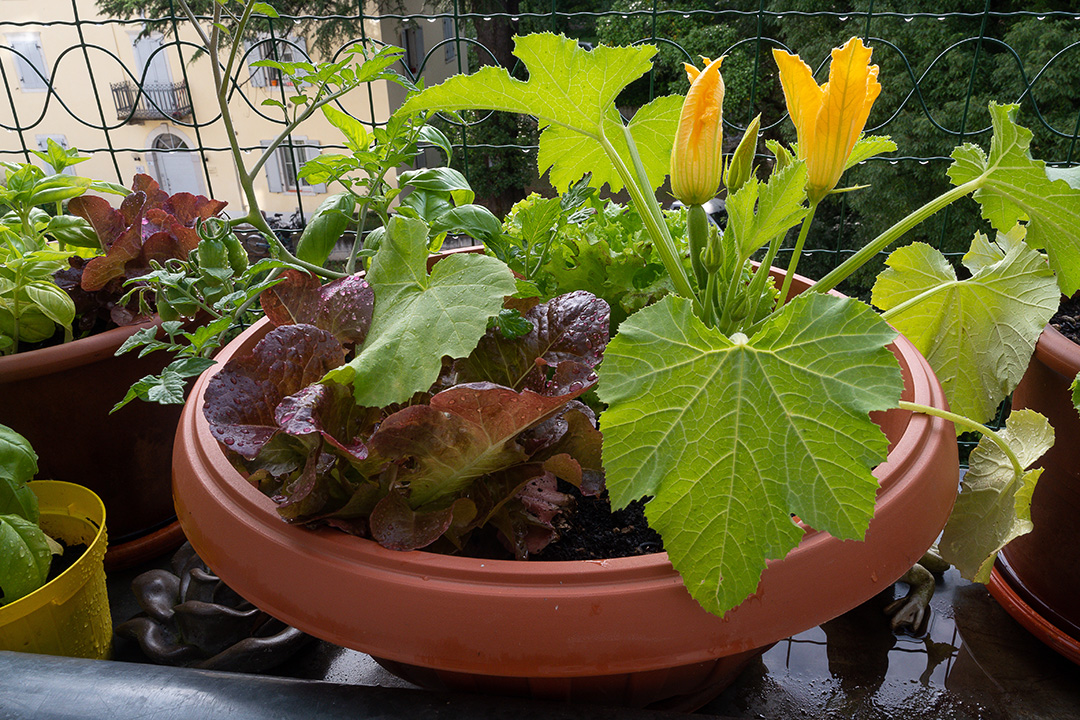
If you’ve got a balcony, you can grow a cherry tomato or chilli in a big pot, a couple of herbs, a lettuce and spinach bowl, or even train a climbing bean up a railing. Just choose compact varieties, use bigger pots than you think, and water a little more often – pots dry out fast in the Auckland wind and summer heat.
If you’ve got a small garden, you can tuck veggies between your existing plants, they don’t need a dedicated ‘veggie zone’. Look around your garden, there will be spots perfect for sneaking in a few veggies. Try lettuce under roses, basil next to tomatoes, beans climbing a fence, spinach in shady corners and chillis in sunny gaps. It’s called interplanting, but really, it’s just making the most of your space.
If you’ve got a proper patch, great – it doesn’t have to be big. A sunny 1m x 2m bed can grow enough summer vegies for a household.
Prepping your soil (or choosing soil for pots)
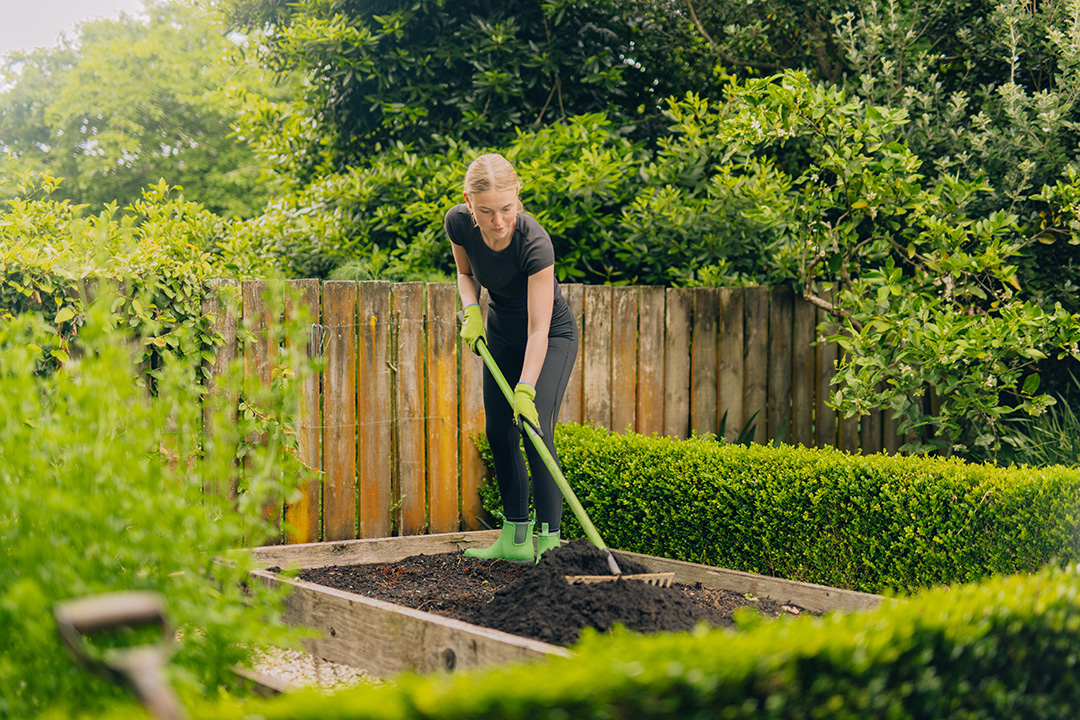
Good soil is the secret sauce of a great veggie garden. You don’t need anything fancy – just a mix that drains well, holds moisture, and gives your plants the nutrients they need to grow fast and strong. Here’s how to set yourself up for success whether you’re planting in the ground or in pots.
If you’re planting in the ground
Auckland’s soil can be a bit heavy in some areas and sandy in others, but compost fixes almost everything.
Before you plant:
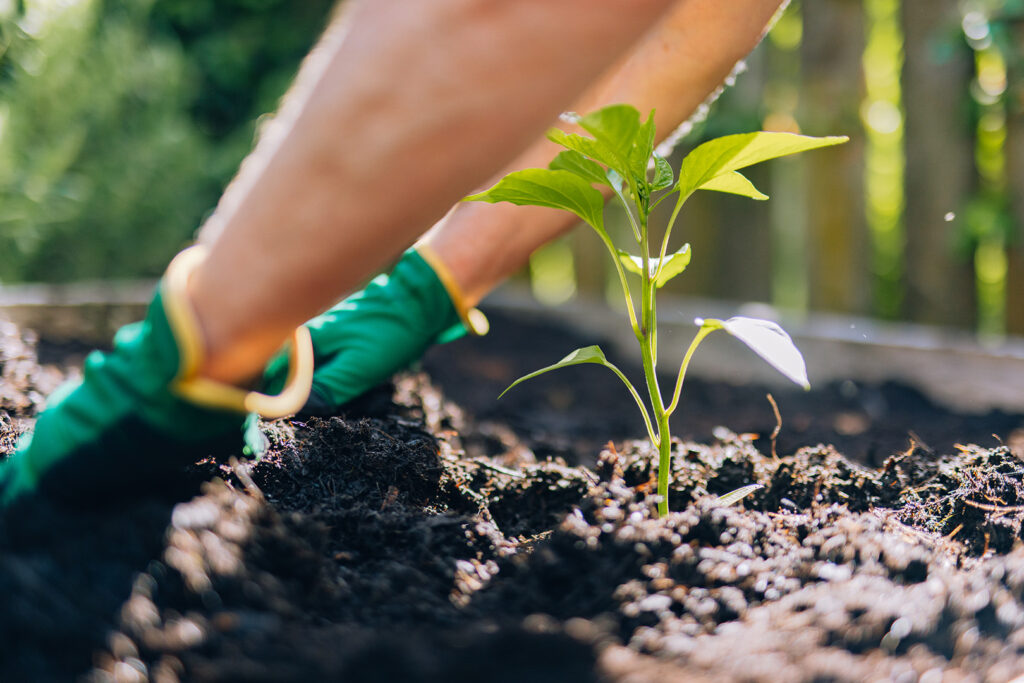
- Loosen the soil with a garden fork
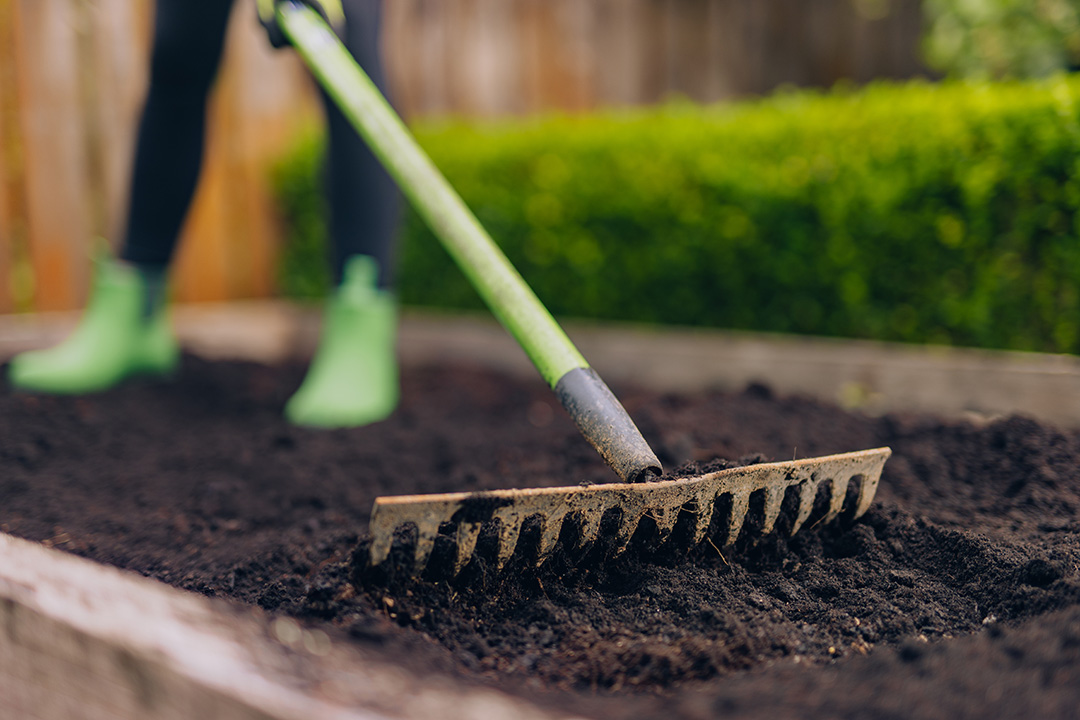
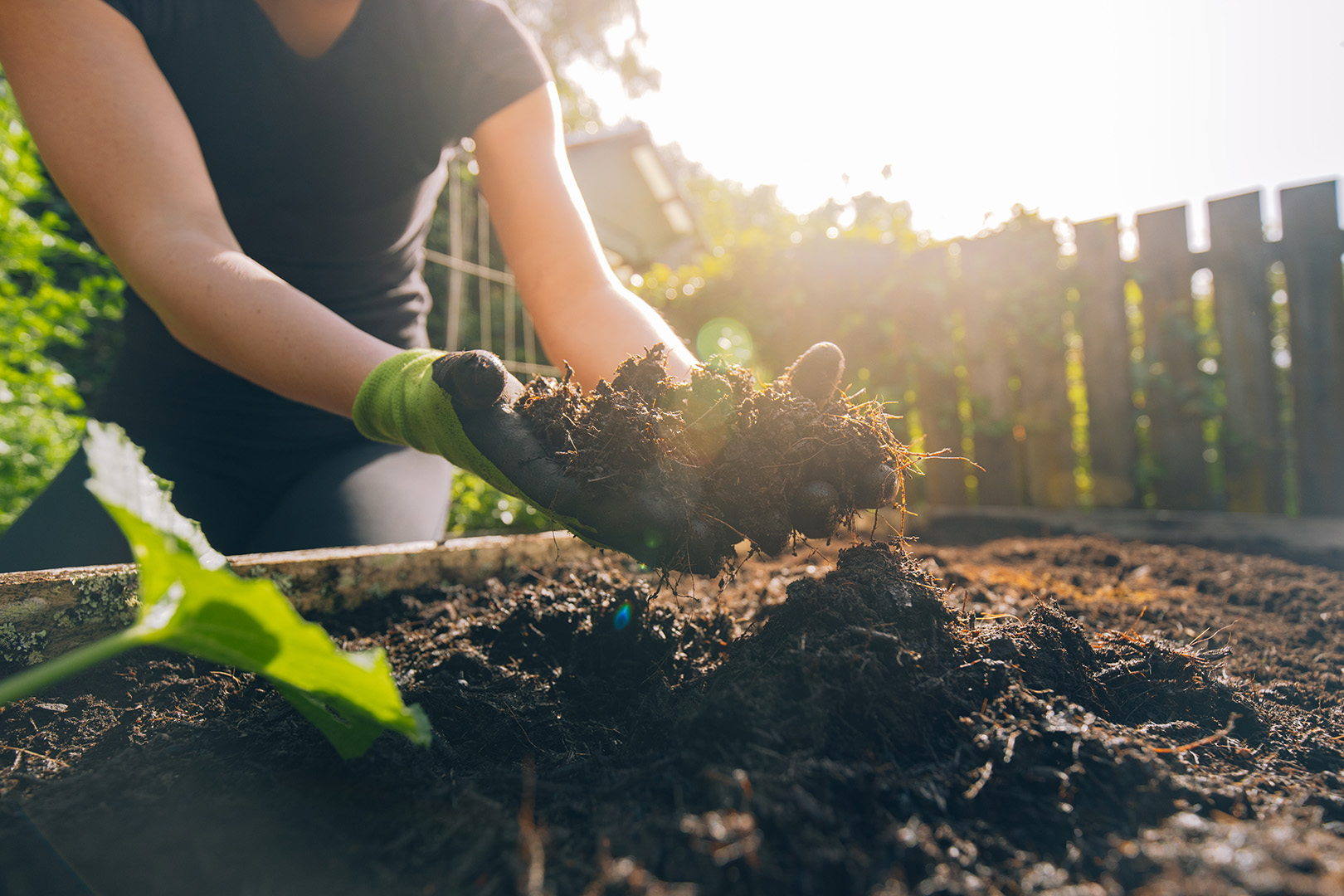
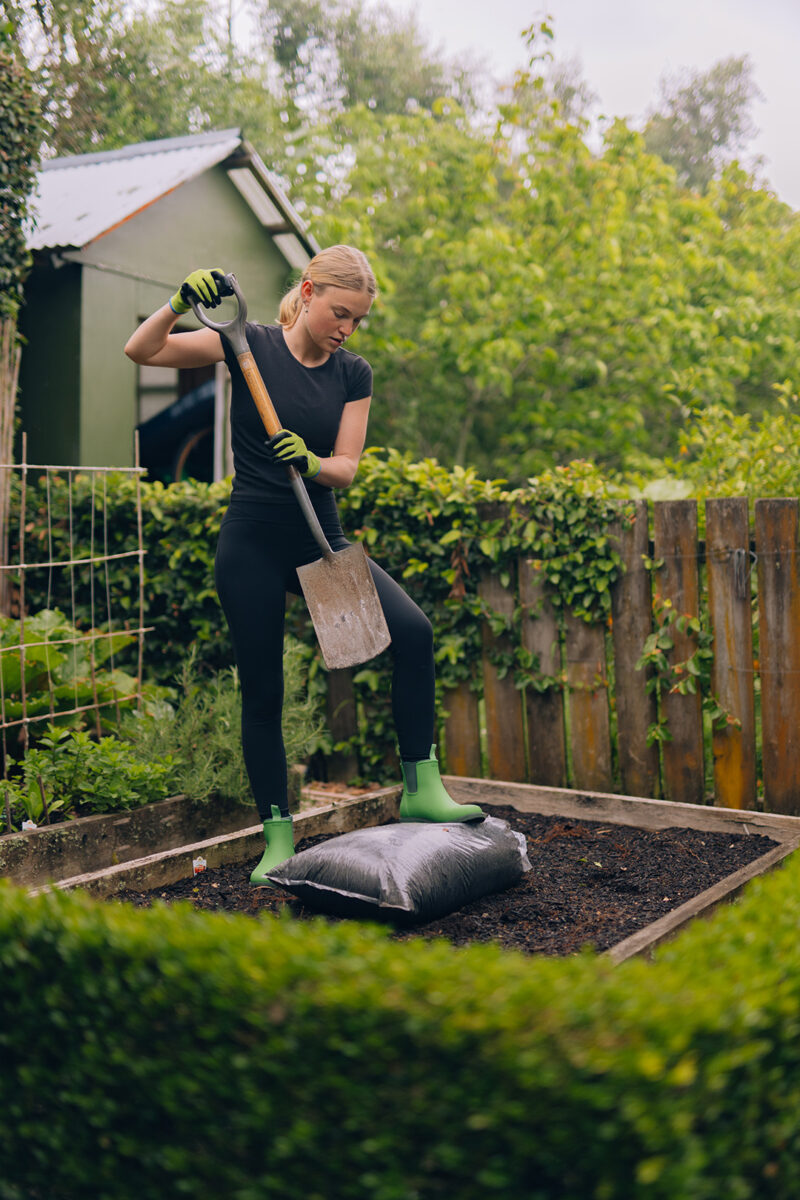
- Mix in a generous layer of NutriPower® Compost (5–10 cm)
- After planting, add a layer of MulchMax® or other organic mulch
Compost feeds your plants naturally, improves drainage, and helps the soil hold moisture – all essential for Auckland’s warm, drying summer winds. Mulch keeps that moisture locked in and stops weeds from stealing nutrients.
When you’re building a new bed – start with NutriPower® Garden Mix or a good quality Veggie Mix. Mix in compost and add a layer of mulch to lock in moisture.
If you’re planting in pots
Pots are easy, but they dry out faster and need a bit more love.
Choose a good-quality mix:
- Use a good quality potting mix
- Add NutriPower® Compost to boost nutrients
- Top with MulchMax® to keep moisture in.
A simple recipe: 2 parts garden mix + 1 part compost + a handful of mulch on top.
Dress with compost every couple of weeks to keep nutrients up.
Pots, beds, buckets - it all works
What you grow your Auckland veggie garden in doesn’t matter. Terracotta pots, plastic tubs, recycled buckets, raised beds, old troughs, even discarded baths – they all work.
Just make sure whatever you use has drainage holes and is deep enough for the plant – at least 30–40cm depth for tomatoes, chillis, beans and zucchini, while lettuce and herbs are happy in shallower pots.
Facebook Marketplace often has free or cheap garden pots. Or pop into Bunnings and check the recycling bin for garden pots.
When to plant your summer veggies
Spring is your magic window.
- Late September–October: tomatoes, beans, zucchini, cucumbers, sweetcorn, lettuce
- October–November: basil, eggplant, melons, second rounds of beans and lettuce, and corn
Auckland soil warms early, so you can get cracking now and keep planting right into November.
Replenish as you go
Don’t plant everything at once. Plant a few lettuces now, a few more in three weeks, and again in six weeks. Same with beans. This way you get continuous harvests instead of one big glut followed by nothing.
Watering: how and when
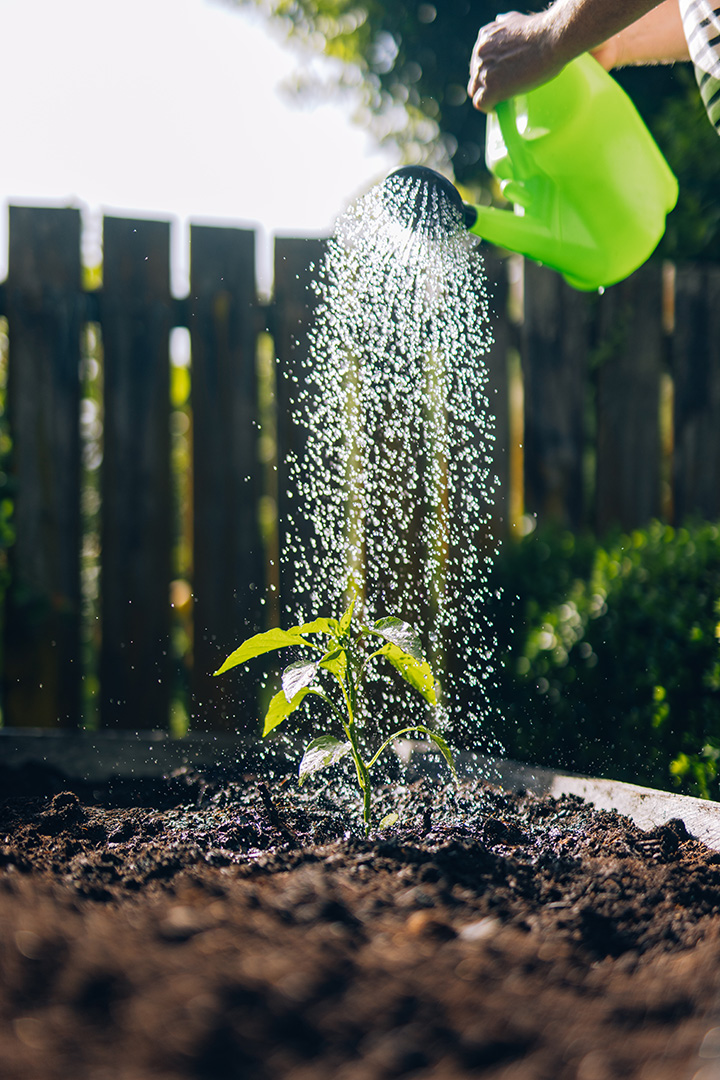
Water deeply, not constantly. Think: big drink, then let the soil breathe. Deep watering encourages roots to grow down to seek water, making plants tougher in heat and drought. Frequent shallow watering keeps roots in the top 5cm which dries out fast in summer.
In spring keep things moist while plants establish.
In summer water deeply 2–3 times a week. Tomatoes and zucchini hate wet leaves, so water the soil, not the plant.
There are some times when daily watering is called for – newly sown seeds, tiny seedlings with shallow roots, small pots which dry out fast and young plants during extreme high temperature.
The best time to water is early morning. The cool air means lower evaporation, plants absorb moisture before the heat, and the leaves dry quickly, reducing fungal issues.
When deciding whether to water use the finger test to check your soil. Push your finger 5cm into the soil – if it’s dry it’s time to water.
Mulch earns its keep when it comes to conserving water. A generous layer of mulch (5 to 8cm) locks in moisture and supresses weeds, saving you time and money. Try GreenCycle’s MulchMax® made from 100% recycled local greenwaste and available in 40l bags or in bulk.
Compost: your garden’s best friend
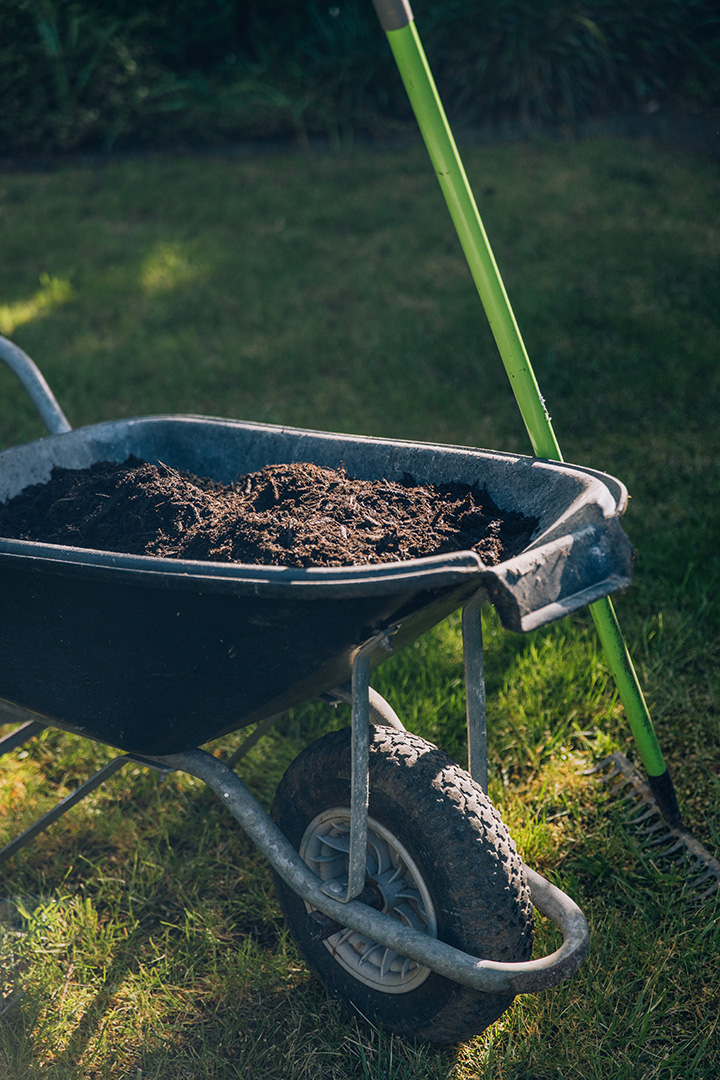
Mix compost into your soil before planting and top up with a handful around each plant every few weeks. It feeds your vegies, keeps soil fluffy, and helps everything cope with Auckland’s drying summer winds.
If you’re using pots, compost is essential – potting mix gets tired fast, and compost adds an essential nutrient boost.
GreenCycle’s NutriPower® Compost feeds plants naturally and gives them the nutrient boost they need.
Netting: optional but helpful
If birds or cats visit your garden, a bit of netting over young seedlings keeps them safe while they get established. As fruit ripens, especially tomatoes and strawberries, netting helps you win the race against hungry birds.
Slug and Snail protection – essential
There’s nothing worse than nurturing baby lettuces only to find them mown down overnight by hungry slugs. There are a few ways to tackle this problem. If you want to take a natural approach, the night hunt is your number 1 tool. Slugs are most active after dark so hand picking can dramatically reduce pest numbers within a week. Installing a rough, scratchy surface, like crushed eggshell, or coarse sand, around individual plants can deter slugs or try a beer or yeast traps to lure slugs to fall in and drown.
A sprinkling of slug bait around your plants works well – just choose wisely. An iron-based bait (like Tui’s Quash) is lower-risk for pets and wildlife. Metaldehyde bait (like Blitzen) is stronger but only suitable if you don’t have pets or wildlife around.
Finally - just plant, learn and enjoy
Your first veggie garden doesn’t need to be perfect. Plants want to grow – they’re on your side. Start small, choose the easy winners, water deeply, add mulch and compost, and pay attention to what thrives.
But most of all, enjoy the magic of picking your own food all summer long.
Frequently asked questions
What vegetables can I grow on a balcony in Auckland?
Great balcony plants include cherry tomatoes, basil, lettuce, spinach, beans, chillies, and strawberries. Use larger pots than you think and water more often -balconies dry out quickly in Auckland’s wind and heat.
Do I need mulch in my veggie garden?
Mulch is one of the best things you can add. A 5–8 cm layer keeps moisture in, reduces weeds, and helps plants cope with summer heat. GreenCycle’s MulchMax® is ideal for Auckland gardens and available in bags or bulk.
How often should I water my veggie garden?
Water deeply, not constantly to encourage deep roots. In spring, keep soil evenly moist while plants establish. In summer, water deeply 2–3 times a week. Use the finger test - if the soil is dry 5 cm down, it’s time to water.
What soil is best for growing vegetables in Auckland?
Healthy soil is the secret to strong plants.
In the ground loosen soil, mix in NutriPower®Compost, then mulch with MulchMax®.
In pots use quality potting mix + compost + mulch. Compost improves drainage, boosts nutrients, and helps soil hold moisture during Auckland’s drying summer winds. A layer of mulch helps to lock in the moisture and keep weeds down.
Can I grow vegetables in pots or containers?
Absolutely. Auckland is great for container gardening. Use good potting mix, add NutriPower® Compost, and top with MulchMax® to keep moisture in. Choose pots at least 30–40 cm deep for tomatoes, chillies, beans and zucchini. All your pots need a drainage hole so they don't become waterlogged.
How much space do I need for a veggie garden?
Not much at all.
- Balconies: grow in pots, buckets. Use a railing for climbers
- Small gardens: tuck vegies between existing plants
- Garden beds: even a 1m x 2m patch can feed a household. Veggies don’t need a dedicated zone - they grow happily wherever there’s sun
When should I plant my summer vegetables in Auckland?
Spring is the ideal planting season.
- Late September–October: tomatoes, beans, zucchini, cucumbers, sweetcorn, lettuce
- October–November: corn, basil, eggplant, melons, second rounds of beans, and lettuce.